
EXCEPTIONAL TAILORING. UNCOMPROMISING CRAFT.
Airline Tailoring
Airline Tailoring at RN Tailoring is a considered service for professionals operating within aviation environments where appearance, consistency, and trust are essential. Each garment is designed to support authority, comfort, and composure in highly visible, demanding settings.
The Craft of Airline Tailoring
Airline Tailoring focuses on the creation of tailored garments suited to the aviation sector, where clothing must balance professionalism, durability, and ease of movement. Each commission is approached with an understanding of the environments in which the garment will be worn, from formal engagements to extended periods of wear.
Attention is given to structure, proportion, and fabric performance, ensuring garments maintain their shape and presence throughout long working days. Design decisions are guided by restraint and longevity rather than trend, resulting in clothing that feels appropriate and dependable.
This service is suited to individuals and organisations requiring tailored garments that reflect responsibility, reliability, and discretion. Every piece is made with clarity of purpose and an emphasis on consistency across wearers and roles.
What follows offers a visual insight into the standards and finishes that define RN Tailoring’s airline work.
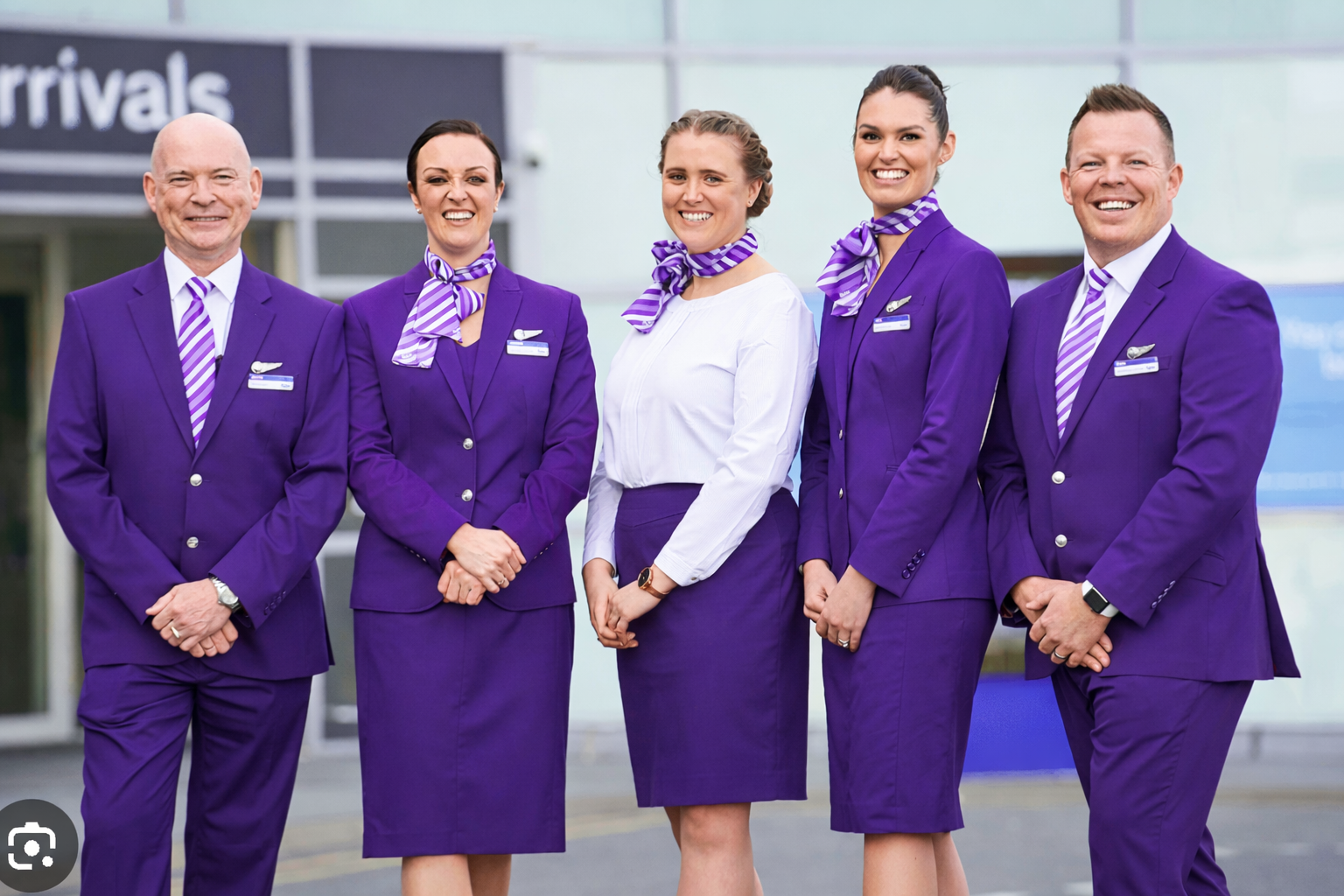
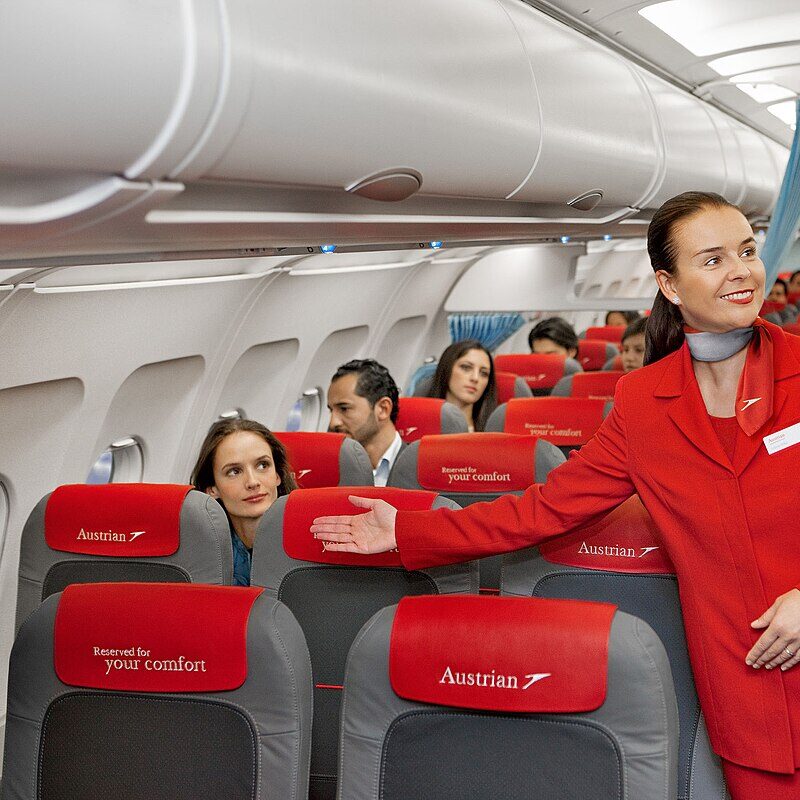

The Airline Tailoring Process
Airline tailoring follows a calm, structured process designed to ensure clarity, consistency, and confidence at every stage.
Consultation
Each commission begins with a focused consultation to understand role requirements, levels of formality, and expectations around wear. This stage establishes suitability and intent before design decisions are made.
Measurements & Design
Detailed measurements are taken to account for posture, movement, and comfort during extended wear. Design choices prioritise balance, durability, and a composed silhouette appropriate for aviation environments.
Crafting & Refinement
Garments are cut and constructed using traditional tailoring techniques, with time allowed for refinement as the piece takes shape. Attention is given to strength, comfort, and longevity throughout the process.
Final Fitting
The finished garment is assessed and refined to ensure accuracy, ease, and consistency. The result is clothing that performs reliably and presents with quiet confidence.
The outcome is tailored workwear that supports professionalism without distraction.
Why RN Tailoring
Airline tailoring requires precision, discretion, and garments that perform consistently under scrutiny. It demands an understanding of both professional presentation and the practical realities of extended, active wear.
RN Tailoring brings a disciplined, heritage-led approach to airline tailoring, focusing on structure, balance, and durability. Each garment is designed to support authority while remaining comfortable and composed throughout the working day.
Clients choose RN Tailoring for dependable tailoring that maintains its shape, appearance, and relevance over time.
What sets us apart
-
Heritage-led tailoring techniques
-
Experience with professional and uniform-led environments
-
Precision fitting focused on comfort and longevity
-
Clear guidance shaped by standards, not trend
-
Garments designed for consistency and restraint
This is airline tailoring built on judgement, reliability, and trust.
Airline Tailoring FAQs
Is airline tailoring suitable for both individual professionals and organisations?
Airline tailoring is suitable for individual professionals as well as organisations requiring a consistent, tailored approach to aviation-related garments. Suitability is discussed during consultation to ensure expectations and requirements are aligned.
How long does the airline tailoring process take?
Timelines vary depending on the scope of the commission and fabric selection. Expected timeframes are discussed during consultation so planning and delivery are clear from the outset.
Will fittings be required for airline tailoring?
Yes. Airline tailoring follows a traditional tailored process, which includes fittings to refine balance, comfort, and consistency before the garment is completed.
What if body shape or posture changes during the process?
Minor changes can be accommodated during the refinement stages of a new commission. Any significant changes are discussed openly to ensure the garment remains balanced and comfortable.
Are garments designed for long periods of wear?
Yes. Airline tailoring considers extended wear, movement, and comfort as core requirements. Fabric choice and construction are guided by durability and performance.
What types of garments are included in airline tailoring?
Airline tailoring typically includes tailored suits, jackets, trousers, and coats. Specific requirements are discussed during consultation to ensure suitability and consistency.